Innovations in Responsible Gambling Tools Within Swiss-Regulated Mobile Poker and Slot Applications
Geschrieben von Jonas Bennett · 18.8.2026
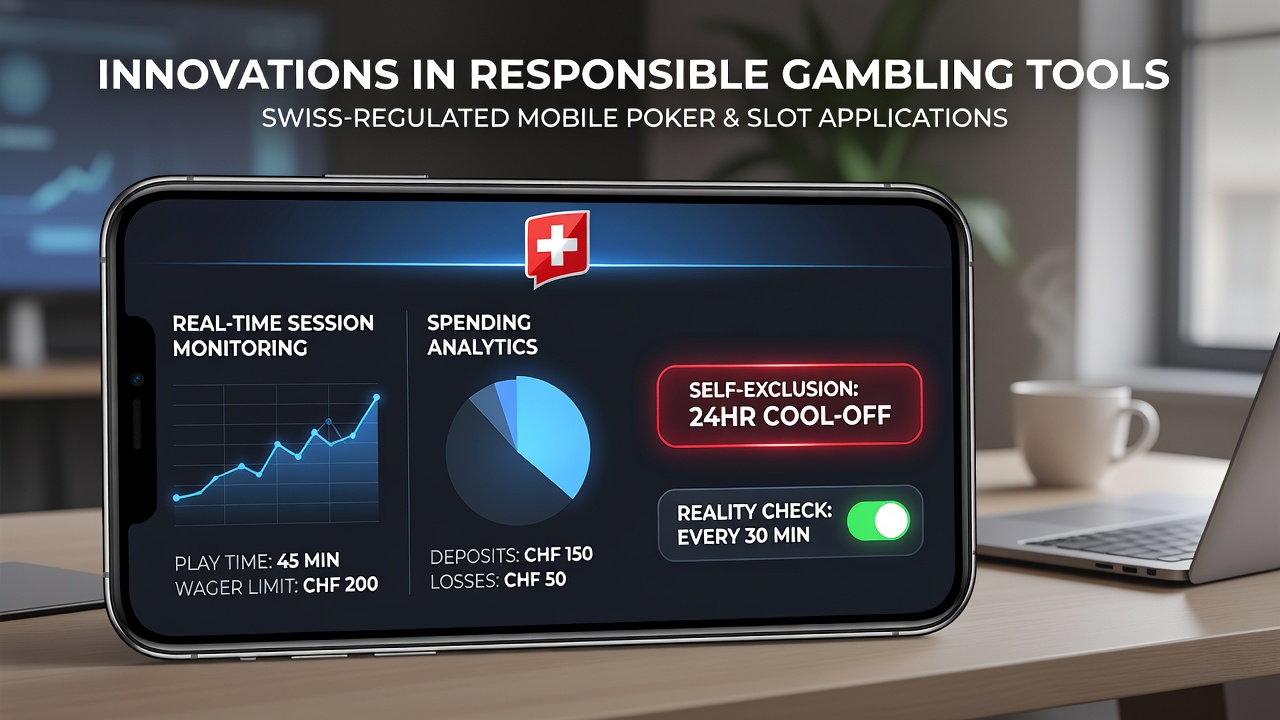
Innovations in Responsible Gambling Tools Within Swiss-Regulated Mobile Poker and Slot Applications
Swiss regulations shape the development of responsible gambling features in mobile poker and slot applications, and operators must comply with the Federal Act on Gambling that took effect in 2019. Data from regulatory filings shows that licensed platforms incorporate tools such as session timers, spending caps, and behavioral alerts to meet compliance standards set by the Federal Gaming Board. Observers note that these measures integrate directly into app interfaces, allowing users to adjust limits without leaving the game environment, and August 2026 marks the scheduled review period for updated technical guidelines that address emerging mobile technologies.
Regulatory Framework and Mobile Implementation
Swiss law requires all online poker and slot applications to embed responsible gambling mechanisms at the account creation stage, and this mandate extends to both iOS and Android platforms operated by entities holding concessions from cantonal authorities. Research indicates that the Federal Gaming Board reviews application code for features including mandatory reality checks every thirty minutes during extended play sessions. Those who've studied the system report that integration occurs through API connections to a central monitoring database, which tracks activity across multiple operators while maintaining user anonymity in aggregate reports.
AI-Driven Behavioral Monitoring Systems
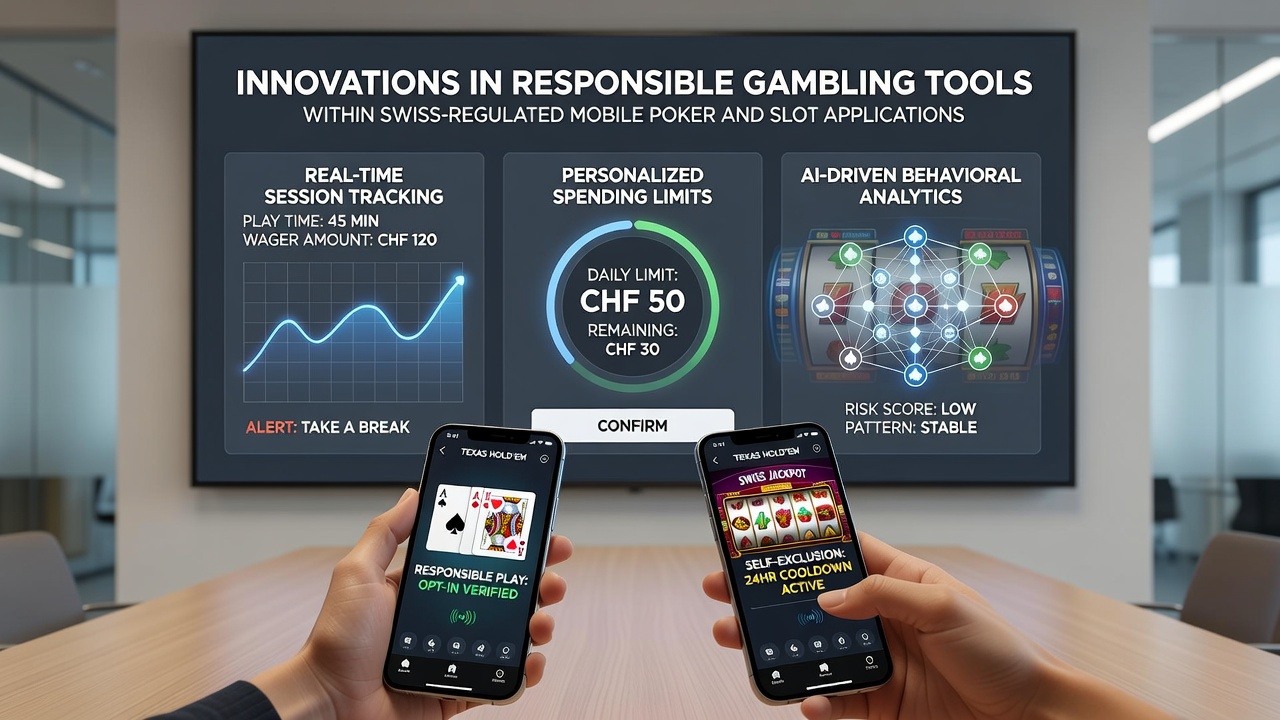
Developers have introduced machine learning models that analyze betting patterns, session duration, and deposit frequency within Swiss-regulated apps, and these systems flag potential risk indicators before they escalate. Evidence from industry reports reveals that algorithms process data points such as rapid increases in stake sizes or consecutive losses exceeding predefined thresholds, then trigger personalized messages or temporary play pauses. One study revealed that operators testing these tools in 2025 observed a measurable reduction in high-risk sessions when alerts activated within the first ten minutes of unusual activity.
Biometric authentication adds another layer in several poker applications, where facial recognition or fingerprint verification confirms user identity before allowing changes to financial limits. Data shows that this approach reduces account sharing incidents, and researchers discovered that Swiss platforms combining biometrics with spending trackers achieved higher user retention rates compared to basic verification methods alone. The reality is that these innovations must align with strict data protection rules under the Federal Act on Data Protection, which limits how long behavioral profiles remain stored.
Personalized Limit Tools and Self-Exclusion Options
Users of Swiss mobile slot applications can set daily, weekly, or monthly deposit ceilings directly through in-app menus, and these limits sync across all connected devices in real time. Figures reveal that self-exclusion periods range from twenty-four hours to permanent bans, with the option to extend exclusions through a national registry maintained by licensed operators. What's interesting is that some applications now include predictive suggestions based on past play history, recommending lower limits when algorithms detect accelerating loss patterns over multiple sessions.
Take one operator who integrated a cooling-off feature that automatically pauses promotions during detected high-activity periods, and this approach complies with guidelines that prohibit targeted marketing to users showing risk signals. According to data released by the Swiss Federal Council, participation in voluntary limit-setting programs increased steadily through 2025, with mobile poker users adopting deposit caps at higher rates than desktop players. External analysis from the Public Health Agency of Canada highlights comparable trends in regulated markets, where synchronized limit tools across devices improved compliance outcomes.
Integration with National Support Services
Swiss applications link directly to counseling resources through in-app buttons that connect users to the national addiction helpline, and this connection activates when users exceed certain loss thresholds or manually request assistance. Studies found that embedding these links within the game flow rather than in separate menus increased engagement with support options. Observers note that operators must report aggregate data on helpline referrals to the Federal Gaming Board each quarter, creating a feedback loop that informs future tool refinements ahead of the August 2026 regulatory assessment.
Future Developments and Technical Standards
Technical standards under discussion for 2026 include requirements for real-time risk scoring visible to both users and regulators, and these scores would combine data from multiple sessions across poker and slot products. Researchers discovered that early prototypes using federated learning techniques allow models to improve without transmitting raw player data outside Swiss servers, addressing cross-border privacy concerns. People who've examined pilot programs report that such systems maintain game performance while delivering alerts in under two seconds on standard mobile networks.
Conclusion
Swiss-regulated mobile poker and slot applications continue to evolve their responsible gambling infrastructure through regulatory updates, technological integration, and data-driven refinements. The combination of AI monitoring, biometric verification, personalized limits, and direct support linkages reflects ongoing adaptation to mobile usage patterns. As the August 2026 review approaches, operators and authorities track performance metrics that will shape the next generation of compliance features.