Spotlighting Bonus Mechanics That Tie Swiss-Regulated Sports Markets Directly to Live Dealer Table Game Retention
Geschrieben von Nils Vogel · 22.8.2026
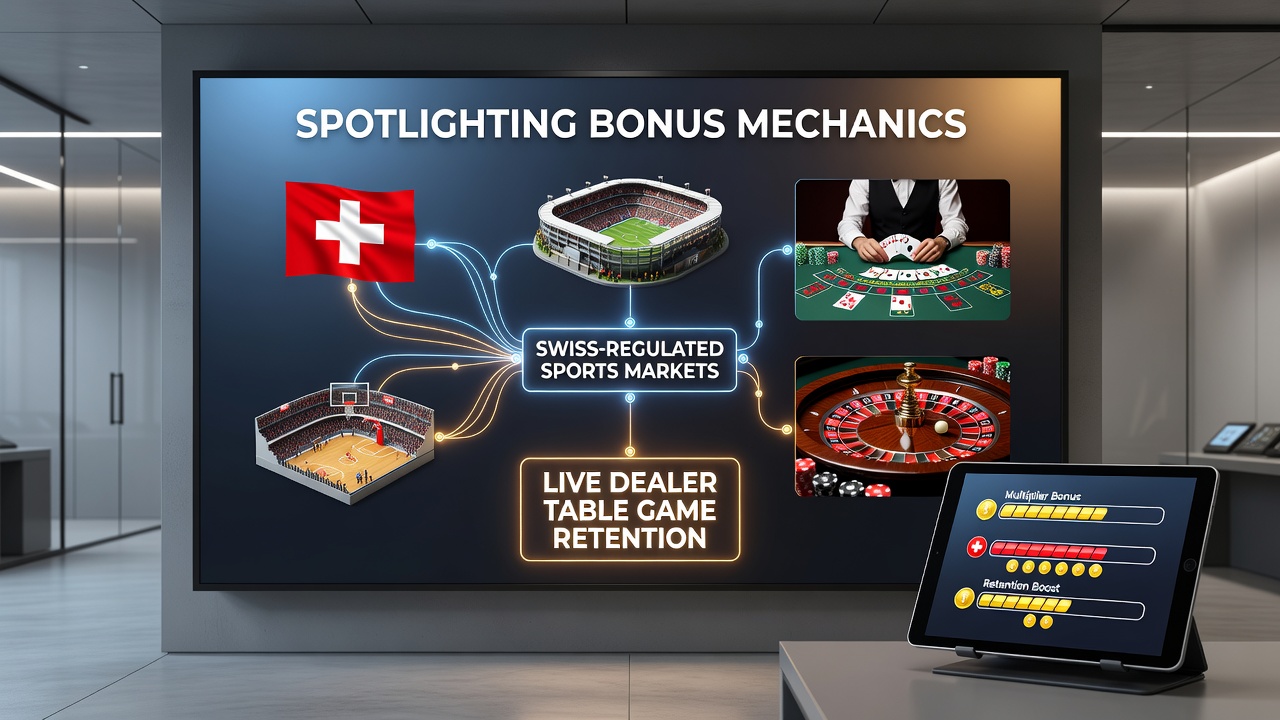
Spotlighting Bonus Mechanics That Tie Swiss-Regulated Sports Markets Directly to Live Dealer Table Game Retention
Swiss gambling regulations establish clear boundaries for licensed operators, and these rules shape how bonus systems link sports betting activity with live dealer table games such as blackjack and roulette. Operators must comply with the Federal Act on Gambling while designing promotional mechanics that encourage continued engagement across both product categories, and data from regulatory filings show that retention programs often reward players who transition from sports wagers to table game sessions.
Regulatory Context for Cross-Product Bonuses
The Swiss Federal Gaming Board oversees licensing requirements that affect bonus structures, and operators report that cross-promotional offers between sports markets and live dealer environments must meet transparency standards set by federal guidelines. These standards require clear terms on wagering requirements and eligibility, which means any bonus tied to Swiss football leagues or tennis tournaments cannot automatically convert into table game credits without explicit player consent and documented rules. Recent filings indicate that platforms adjusted their systems ahead of updates scheduled for August 2026, when additional reporting on retention metrics will become mandatory for license renewal.
Mechanics Connecting Sports Markets to Table Game Play
Bonus designs frequently grant free bets on Swiss Super League matches that unlock partial credits for live dealer tables once specific conditions are met, and these conditions typically include a minimum number of settled sports wagers followed by a verified session in roulette or poker variants. Researchers at the University of Geneva documented how such layered incentives affect session length, noting that players who complete the sports component show higher rates of returning to table games within the same 24-hour period. The mechanics rely on real-time tracking systems that monitor both betting slips and table game rounds, allowing operators to issue targeted rewards without violating responsible gambling thresholds.
Retention Data and Observed Patterns
Industry reports compiled by the European Gaming and Betting Association reveal that operators using integrated bonus pathways recorded a measurable increase in repeat table game participation during the first half of 2025, and these figures correspond with periods when sports calendars featured dense Swiss domestic fixtures. Retention rates climbed when bonuses carried tiered rewards, such as escalating cashback percentages that apply only after players engage with live dealer blackjack following an initial sports deposit. Observers note that the structure creates a natural progression because sports markets provide high-frequency betting opportunities while table games extend average session duration through slower-paced decision points.
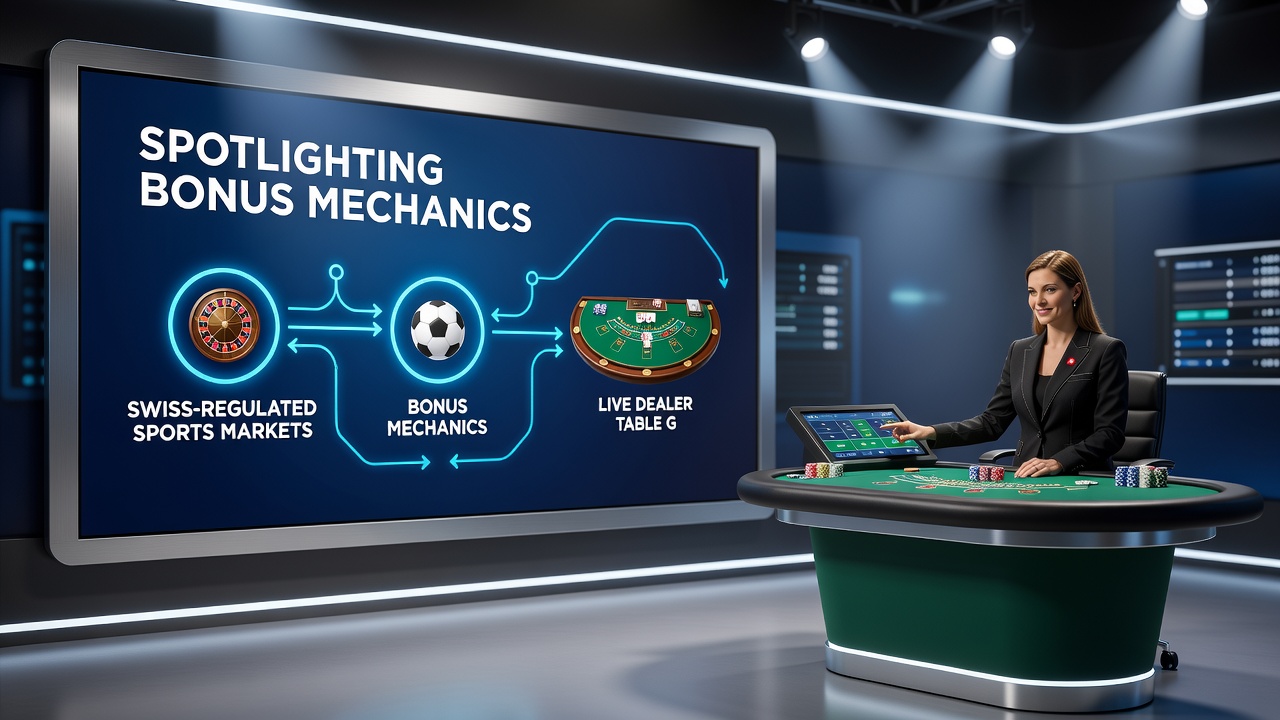
Further analysis from Swiss regulatory submissions shows that players who receive sports-derived table game bonuses maintain account activity longer than those limited to single-product promotions, and this pattern holds across age groups and device types. The data also indicate seasonal spikes aligned with major tennis tournaments hosted in Switzerland, where operators deploy time-limited offers that require table game participation to unlock remaining sports bonus value. These offers function through a shared wallet system that tracks progress across both verticals without allowing direct cash withdrawal until all conditions clear.
Technical Implementation and Compliance Requirements
Platform architecture must separate bonus wallets for sports and table games while permitting conditional transfers, and software providers have introduced APIs that enforce federal limits on bonus value relative to deposit size. Compliance teams conduct regular audits to confirm that retention mechanics do not encourage excessive play, and reports submitted to authorities document the exact conversion rates between sports bonus completion and subsequent table game activity. In practice, operators schedule these transfers during off-peak hours for major Swiss leagues to balance server load and maintain game integrity across live dealer streams.
Future Adjustments Anticipated in 2026
Regulatory updates effective August 2026 will require operators to publish aggregate retention statistics that separate sports-to-table-game pathways from other promotional types, and early guidance suggests these disclosures will include anonymized player cohort data. Licensed entities are already testing revised bonus structures that incorporate mandatory cooling-off intervals between sports wager settlement and table game access, ensuring alignment with evolving federal expectations. Industry associations continue to share best-practice frameworks that maintain promotional effectiveness while satisfying the transparency mandates.
Conclusion
Bonus mechanics that connect Swiss-regulated sports markets with live dealer table game retention operate within a tightly defined regulatory environment, and available data demonstrate consistent patterns of player progression when conditions align across both categories. Operators continue to refine tracking systems and reward tiers in preparation for the 2026 reporting changes, while maintaining compliance with federal standards that govern all promotional activity. The resulting structures provide measurable continuity between high-frequency sports betting and extended table game sessions without deviating from established oversight requirements.